Managing complex network configurations has always been a challenge for Linux sysadmins. Years ago, Ante Karamatić (a prominent figure in the Ubuntu community) introduced a refreshing perspective on “uncomplicating” this mess using what many call “Spaces” or specific naming conventions (“Periods”).
As we revisit this concept in 2026, the principles of network isolation and simplified routing remain more relevant than ever, especially in the era of pervasive containers and hybrid cloud environments.
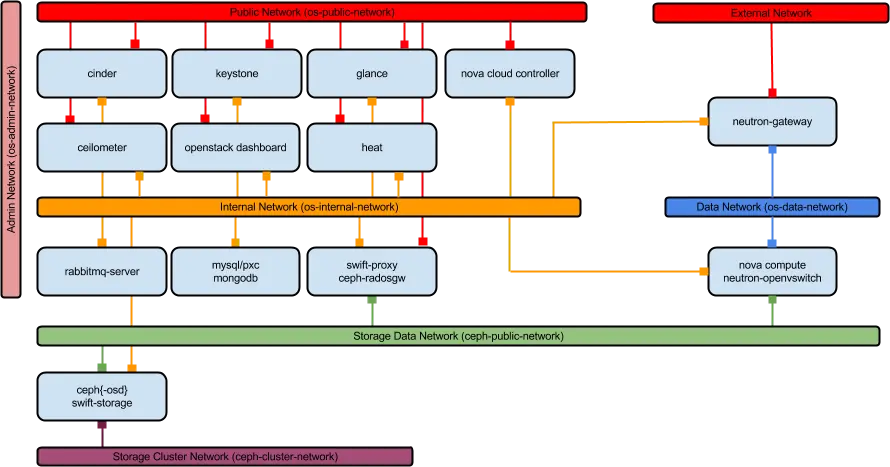
The Problem: Network Overlap and Complexity
Back in the day, if you had multiple VPNs or local environments with overlapping IP ranges (like the classic 192.168.1.x), your routing table would quickly become a nightmare. Ante’s approach was to use Network Namespaces to create isolated “spaces” for different tasks, ensuring that no two environments could interfere with each other.
How it Works: Spaces vs. Periods
The core idea revolves around two concepts:
- Network Namespaces (Spaces): Creating separate network stacks within a single Linux instance. This allows you to run applications with their own routing tables and interfaces.
- Simplified Naming (Periods): Using a clean naming convention (e.g.,
service.environment.space) to identify where a specific traffic flow belongs.
Practical Implementation in 2026
While we now have sophisticated tools like Tailscale, Wireguard, and advanced Docker networking, the manual use of network namespaces is still the “pro way” to debug and isolate traffic without the overhead of full virtualization.
To create a new network “space” today:
sudo ip netns add dev_space
To run a command (like a web browser or a script) inside that isolated network:
sudo ip netns exec dev_space command
Why Ante’s Vision Still Matters
As highlighted by the community at Ivoks, uncomplicating your network isn’t just about the tools—it’s about the mindset. By compartmentalizing network access, you:
- Prevent accidental data leaks between production and dev environments.
- Bypass “IP hell” when working with multiple clients using the same internal ranges.
- Create a reproducible environment for testing network-heavy applications.
In 2026, whether you are using automated orchestration or manual namespaces, keeping your network “spaces” clean is the key to a stable and secure infrastructure.